Share the blessings of Qurbani.
Through RGWF's Qurbani campaign, donors can support arrangements intended to provide fresh meat to vulnerable families and communities across Afghanistan during Eid al-Adha.
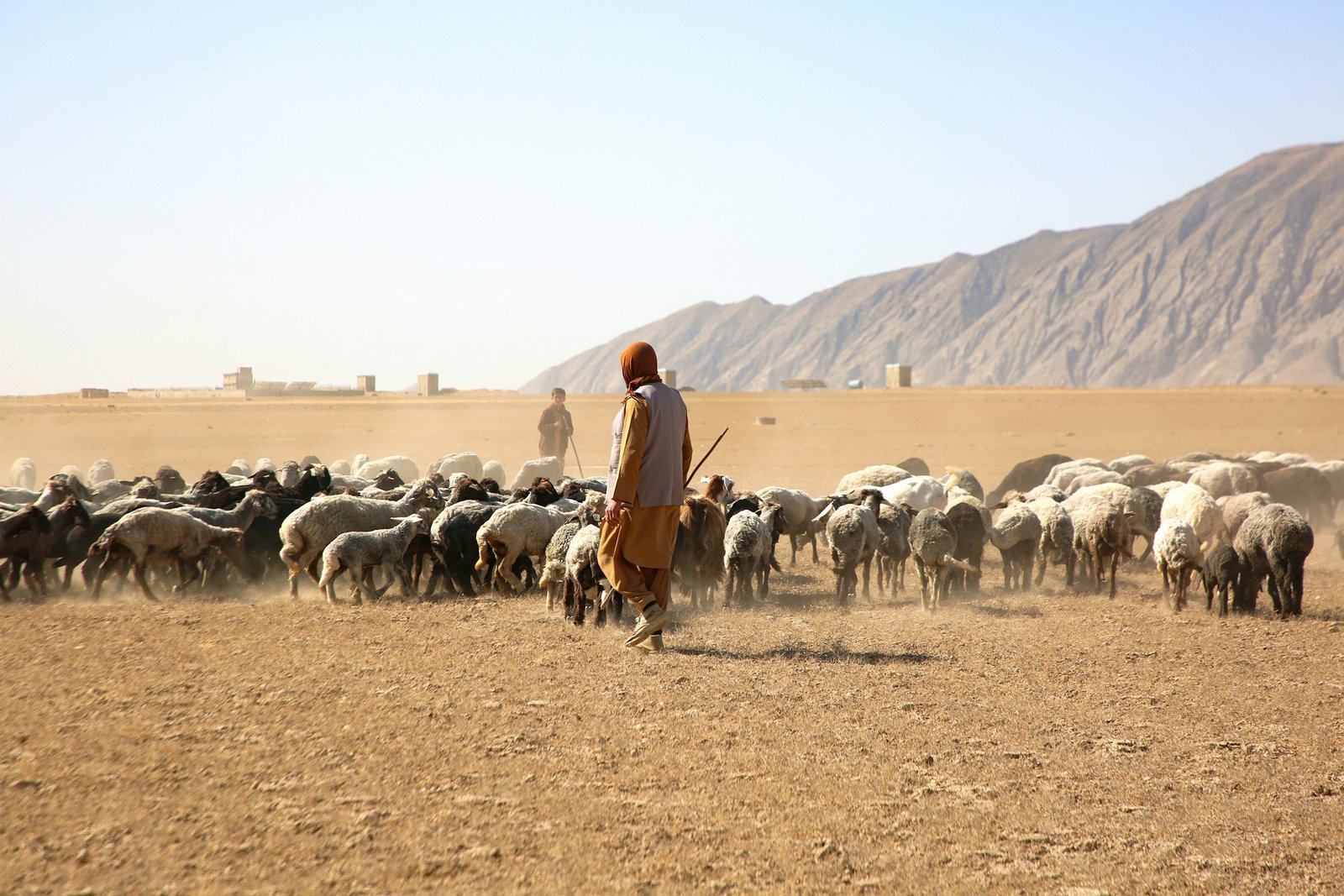
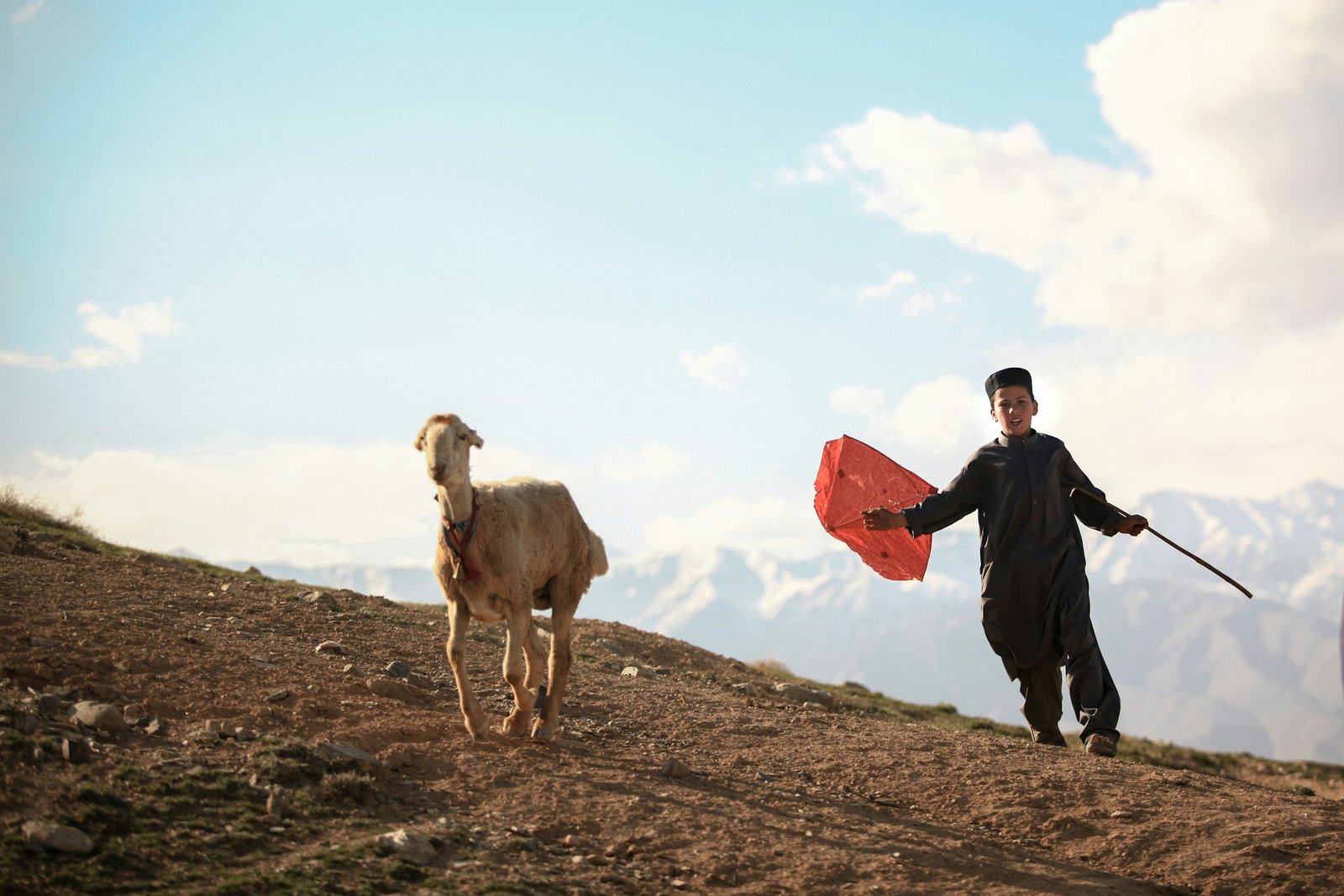
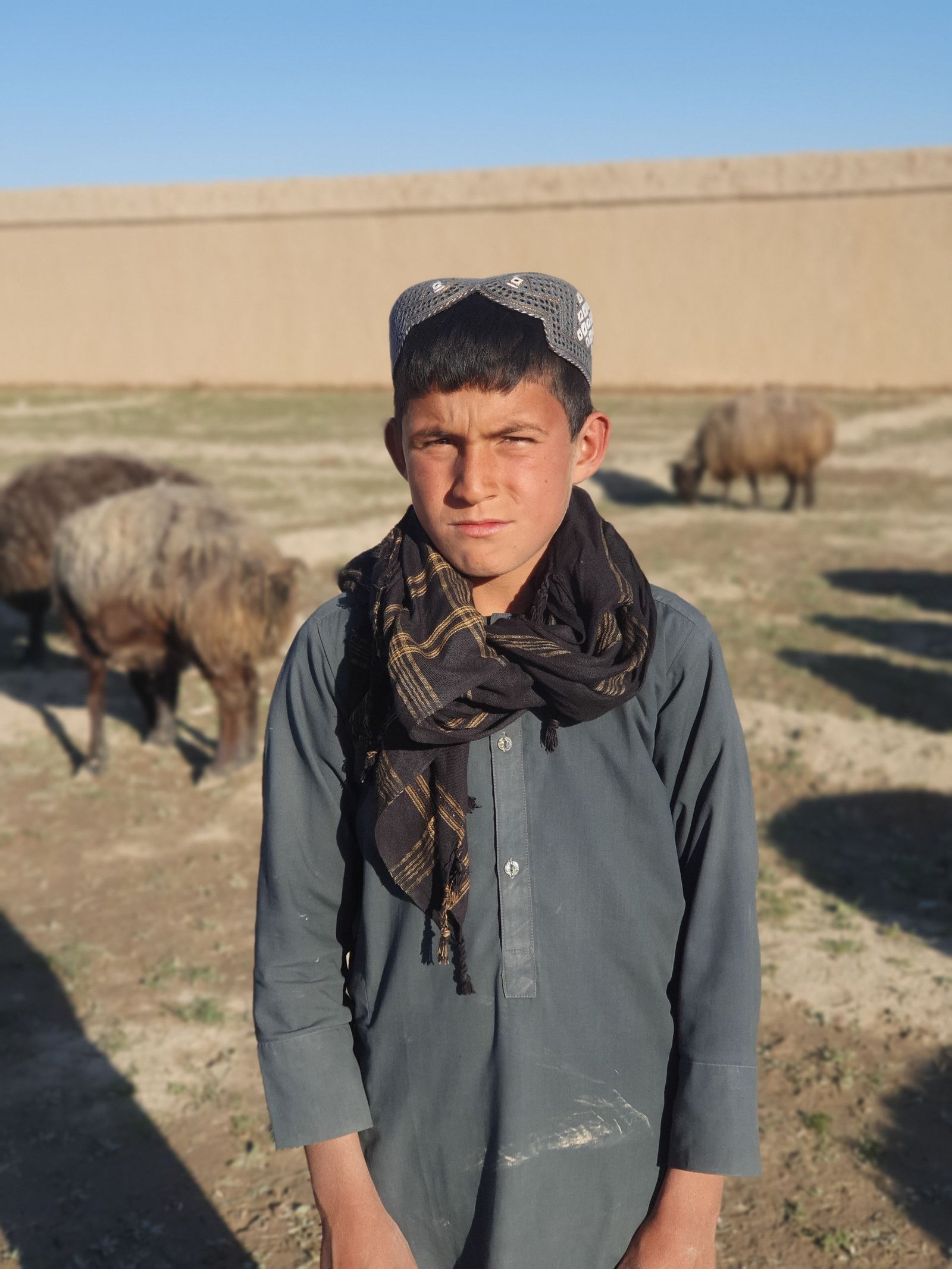
A sacred act. A shared benefit.
Qurbani, also known as Udhiyah, is an act of worship associated with Eid al-Adha.
For Muslims who observe it, the sacrifice carries religious meaning while also creating an opportunity to share meat with others.
RGWF's role is to provide a humanitarian channel through which donors can support an organised Qurbani campaign and help reach vulnerable households.
Helping make Eid more meaningful for families.
RGWF aims to prioritise vulnerable households according to humanitarian need and the circumstances of the active Qurbani campaign.

Beneficiary selection may vary according to campaign location, available resources and assessed humanitarian need.
A clear process from giving to sharing.
Your Qurbani Is Registered
Your contribution is recorded under the designated Qurbani campaign.
Campaign Arrangements Are Made
Livestock, locations and operational requirements are organised according to the active campaign plan.
Qurbani Is Carried Out
The sacrifice is arranged during the relevant Qurbani period according to campaign arrangements.
Meat Is Prepared
Meat is portioned and prepared for distribution with attention to appropriate handling.
Families Receive Support
Qurbani meat is distributed to intended households and communities.
Records Are Maintained
Relevant donation and implementation records should support oversight and reporting.
Responsibility begins before distribution.
Suitable Livestock
Animals should be sourced according to the requirements established for the active campaign.
Responsible Handling
Livestock should be treated appropriately throughout procurement and implementation.
Hygiene & Preparation
Preparation should take account of appropriate hygiene and local operational conditions.
Dignified Distribution
Support should reach households respectfully without unnecessary exposure.


Qurbani is about people, not campaign numbers.
A successful Qurbani campaign is not simply about how many animals are sacrificed or how many packages are distributed. Humanitarian delivery should reach people respectfully and responsibly.
Families receiving support should be treated with respect.
Distribution should reflect genuine need and the campaign plan.
Beneficiaries should not be unnecessarily exposed for promotion.
Reaching communities where support is needed.
Published for each active Qurbani campaign.
Based on identified humanitarian needs.
Dependent on funding, livestock availability and operational planning.
Your trust deserves clear records.
Designated Qurbani Fund
Qurbani contributions should remain identifiable within donation records.
Donation References
Individual records can support reconciliation and tracking.
Campaign Records
Implementation information should support internal oversight.
Post-Campaign Reporting
Appropriate campaign updates can be published once activities are finalised.
Make your Qurbani contribution.
Enter your contribution amount and continue securely to RGWF's designated Qurbani fund. Qurbani donations on this page are treated as one-time contributions.
Need to confirm something before arranging your Qurbani?
For current prices, animal options, campaign locations, distribution arrangements or questions about how RGWF records your contribution, contact the RGWF team before donating.
For personal Islamic rulings concerning Qurbani or animal-share rules, please consult a qualified Islamic scholar.